Archives
- 2026-09
- 2026-08
- 2026-07
- 2026-06
- 2026-05
- 2026-04
- 2026-03
- 2026-02
- 2026-01
- 2025-12
- 2025-11
- 2025-10
- 2025-09
- 2025-03
- 2025-02
- 2025-01
- 2024-12
- 2024-11
- 2024-10
- 2024-09
- 2024-08
- 2024-07
- 2024-06
- 2024-05
- 2024-04
- 2024-03
- 2024-02
- 2024-01
- 2023-12
- 2023-11
- 2023-10
- 2023-09
- 2023-08
- 2023-06
- 2023-05
- 2023-04
- 2023-03
- 2023-02
- 2023-01
- 2022-12
- 2022-11
- 2022-10
- 2022-09
- 2022-08
- 2022-07
- 2022-06
- 2022-05
- 2022-04
- 2022-03
- 2022-02
- 2022-01
-
In our study we observed
2022-03-25
In our study, we observed elevation of the fluorescent intensity in the layers without synaptic contacts (OS, ONL, INL, and GCL). In the enzyme-linked fluorescence assay system, released glutamate is catalyzed by the enzyme on the surface of a quartz glass. Therefore, the diffusion of glutamate onto
-
500 9 Fig demonstrates placental amino acid
2022-03-25
Fig. 7 demonstrates placental amino 500 9 transporter protein concentrations. While no change in the placental SNAT2 is effected in response to a high-fat diet in wt, a trend toward a reduction was seen in glut3 mice in response to a high-fat vs. chow diet (Fig. 7A and B). A high-fat diet did not ch
-
The mechanism underlying the anorectic effect of OXM is
2022-03-25
The mechanism underlying the anorectic effect of OXM is well established. It is centrally mediated via GLP-1 receptor activation, confirmed by both pharmacological blockade of the GLP-1 receptor, and using GLP-1 receptor knock-out mice [2], [11], [12]. However, the mechanism by which it increases en
-
br Central control of GI ghrelin secretion
2022-03-25
Central control of GI ghrelin secretion The CNS communicates with the GI tract through the vagus nerve originating in the DMV and sympathetic spinal afferents emanating from the thoracic spinal chord (Bray, 2000). The cells that secrete peripheral ghrelin are under direct control of these two pat
-
In a mouse model of hyperhomocysteinemia
2022-03-25
In a mouse model of hyperhomocysteinemia (a risk factor for the development of vascular dysfunction) it has been shown that myoendothelial communication is enhanced due to increased expression of Cx37 and IK1 LY2109761 [], allowing the propagation of endothelial signals to VSMC and thereby decreasin
-
We and others have previously reported that neurons generate
2022-03-25
We and others have previously reported that neurons generated from iPSCs with genetic forms of AD recapitulate aspects of the disease, including increased Aβ peptide production in trisomy 21 and APP duplication neurons (Moore et al., 2015, Israel et al., 2012) and increased production of longer form
-
BIBR 953 mg As with the GSIs there are
2022-03-25

As with the GSIs, there are again major concerns that GSM therapy in patients with symptomatic AD is almost certain to fail, unless the compound has additional mechanism of action not linked to Aβ that prove to beneficial [52]. Although Aβ1–42 or other longer Aβ peptides are critical for initiating
-
In addition to our results Chen et al showed that
2022-03-25
In addition to our results, Chen et al. showed that administration of the GalR1 antagonist M40 improves cardiac function and attenuates cardiac remodeling in rats with heart failure [26]. These effects might be attributed to M40 suppression of galanin inhibitory effect on the vagal nerve in heart fa
-
Of note the intracellular egg compartment exhibiting SA gal
2022-03-25
Of note, the intracellular egg compartment exhibiting SA-β-gal activity also exhibits lipofuscin auto-fluorescence (Fig. 6B), and it is co-stained with the lipid-specific dye SBB (Supplemental Fig. 5). On the one hand, these findings reflect the fact that the pool of yolk protein contains lipoprote
-
In the a first in
2022-03-25
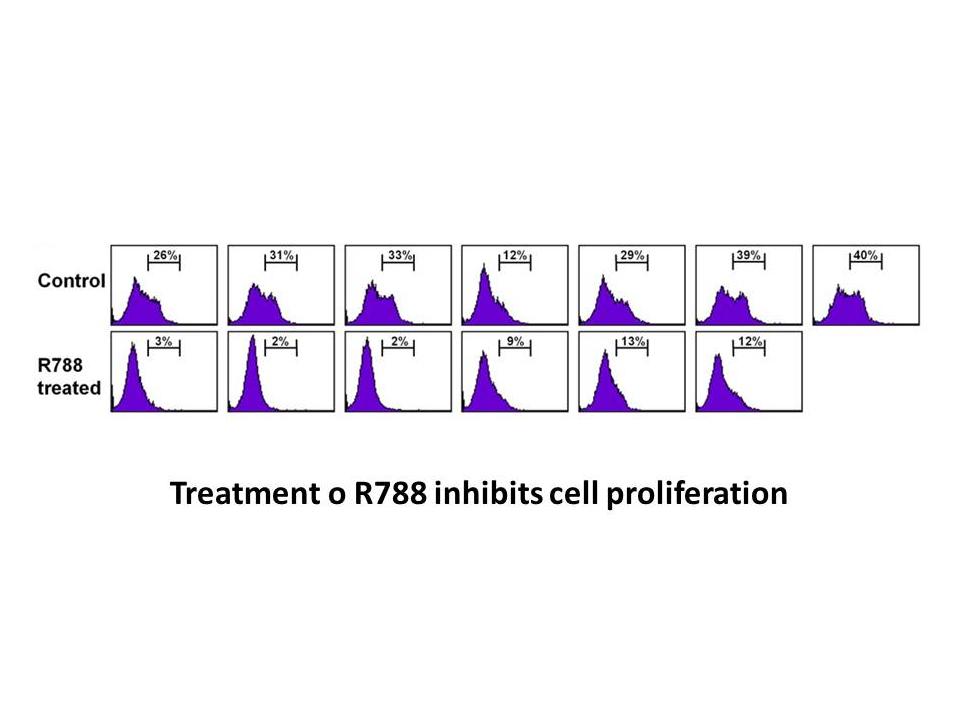
In the 2003, a first in vitro indication of modulation of FXR expression in CRC showed that FXR expression was absent in undifferentiated colon carcinoma cell line SW480, while it was progressively increasing along with the degree of cell differentiation in Caco2 and HT29 cells, and its transcriptio
-
br Methods br Results It is
2022-03-25
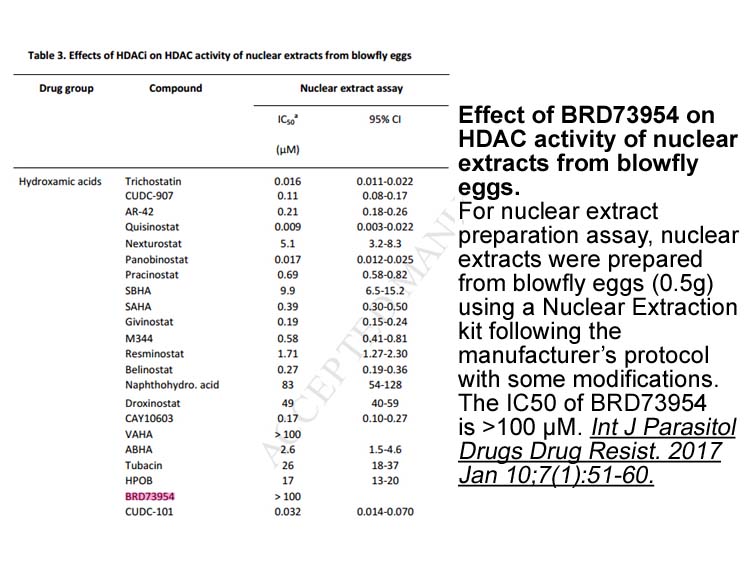
Methods Results It is well known that during the onset of vasoconstriction there is an increase in intracellular Ca2+ which activates myosin light-chain kinase followed by cycling of actin-myosin cross-bridges in VSMCs. Recently, it has been recognized that NSC 14613 polymerization is also in
-
As the presence of HPV specific antibodies at time
2022-03-24
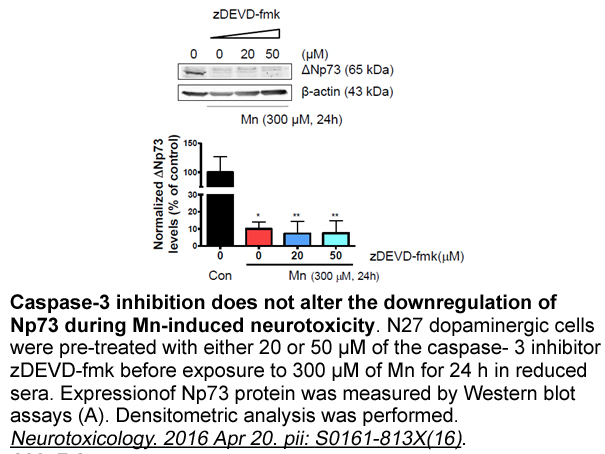
As the presence of HPV-specific gdc-0980 at time of vaccination is related to antibody response to vaccination [28], we evaluated its influence on the antibody responses among HIV+ and HIV− individuals at Months 7 and 18. Despite the small numbers, we observed that HIV+ men with detectable serum HPV
-
NSC59984 HCV is a highly diverse virus
2022-03-24
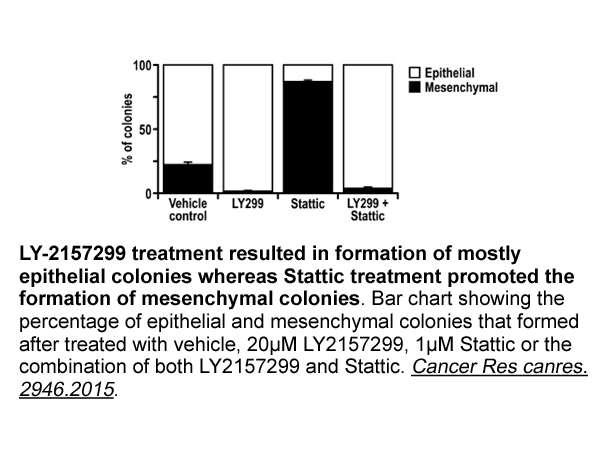
HCV is a highly diverse virus with seven known genotypes (GT1–7) and multiple subtypes (Gower et al., 2014, Messina et al., 2015, Smith et al., 2014). Patients infected with HCV develop a heterogeneous population of viral species known as quasispecies due to low fidelity of the RNA-dependent RNA pol
-
The HCV Ag immunoassay has been shown
2022-03-24
The HCV-Ag immunoassay has been shown from previous studies to be an adequate alternative to the two-stage diagnostic process [6], [9], [16]. Kesli et al. reported a high correlation coefficient of 0.864 when comparing HCV core antigen levels with HCV RNA levels (detected using Qiagen HCV RNA test;
-
More recently several groups have characterized a role for
2022-03-24
More recently, several groups have characterized a role for GPR120 signaling via omega-3 fatty acids in amelioration of alcoholic hepatic injury and non-alcoholic fatty liver disease (NAFLD) [18], [19]. Nakamoto et al. demonstrated protective effects of the omega-3 fatty TBCA docosahexaenoic acid (
7956 records 484/531 page Previous Next First page 上5页 481482483484485 下5页 Last page