Archives
- 2026-03
- 2026-02
- 2026-01
- 2025-12
- 2025-11
- 2025-10
- 2025-09
- 2025-03
- 2025-02
- 2025-01
- 2024-12
- 2024-11
- 2024-10
- 2024-09
- 2024-08
- 2024-07
- 2024-06
- 2024-05
- 2024-04
- 2024-03
- 2024-02
- 2024-01
- 2023-12
- 2023-11
- 2023-10
- 2023-09
- 2023-08
- 2023-06
- 2023-05
- 2023-04
- 2023-03
- 2023-02
- 2023-01
- 2022-12
- 2022-11
- 2022-10
- 2022-09
- 2022-08
- 2022-07
- 2022-06
- 2022-05
- 2022-04
- 2022-03
- 2022-02
- 2022-01
- 2021-12
- 2021-11
- 2021-10
- 2021-09
- 2021-08
- 2021-07
- 2021-06
- 2021-05
- 2021-04
- 2021-03
- 2021-02
- 2021-01
- 2020-12
- 2020-11
- 2020-10
- 2020-09
- 2020-08
- 2020-07
- 2020-06
- 2020-05
- 2020-04
- 2020-03
- 2020-02
- 2020-01
- 2019-12
- 2019-11
- 2019-10
- 2019-09
- 2019-08
- 2019-07
- 2019-06
- 2019-05
- 2019-04
- 2018-11
- 2018-10
- 2018-07
-
Cyclin D inhibits the transcriptional activity of the transc
2020-04-16
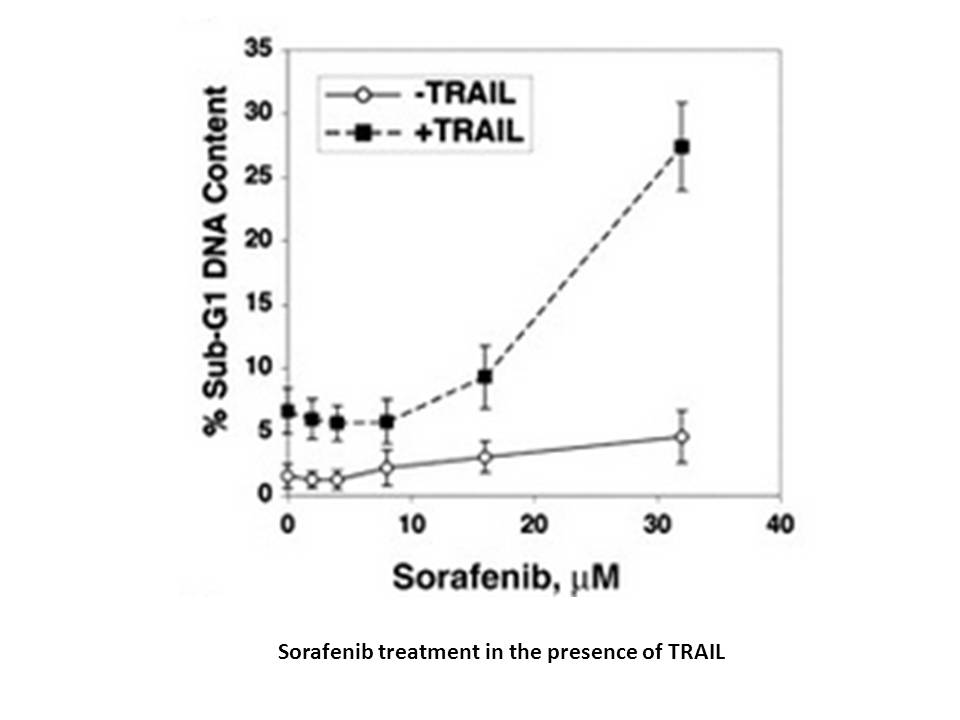
Cyclin D1 inhibits the transcriptional activity of the transcription factors myogenin and MEF2 [39,40]. In addition, myogenin activates MEF2 expression, which feeds back to amplify the myogenin promoter [38]. In this study, DGKδ suppression, in addition to the increase of cyclin D1, inhibited myogen
-
STRING protein interactions were used to highlight enzymes d
2020-04-16
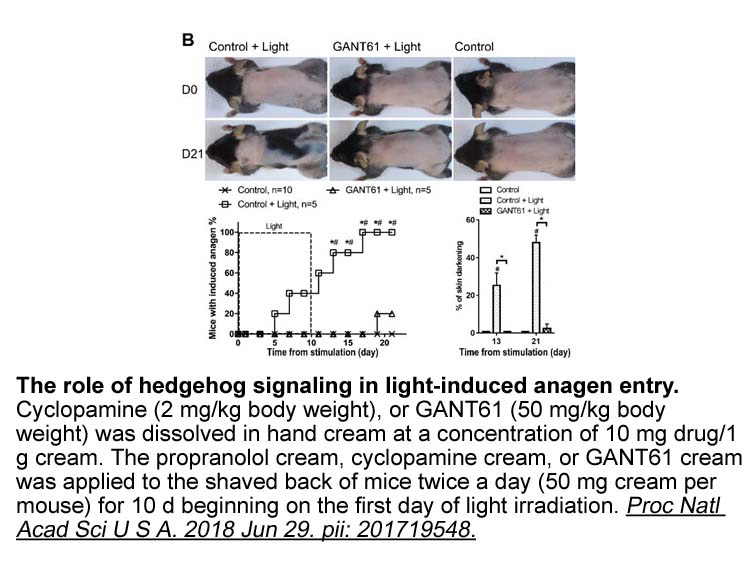
STRING protein interactions were used to highlight enzymes directly associated with DHODH (Fig. 10) (Szklarczyk et al., 2015). The reported protein-protein associations are primarily within the de novo nucleotide synthesis pathways (CAD, carbamoyl phosphate synthetase 1, uridine monophosphate synthe
-
br Authors contributions br Acknowledgements br
2020-04-16
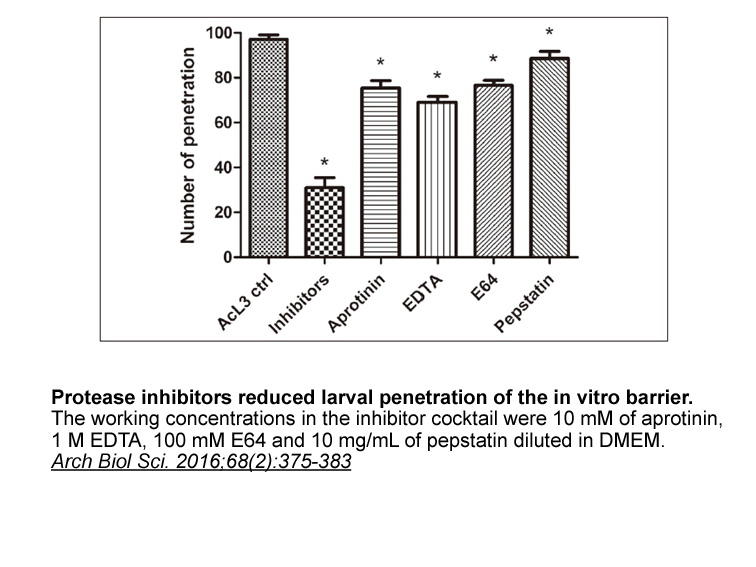
Authors’ contributions Acknowledgements Introduction Retinoic XAP044 is a key signalling molecule in healthy development and in differentiation of stem cells, albeit uncontrolled levels of retinoic acid can lead to mutagenesis [1]. In eukaryotes retinoic acid is made by oxidation of all-tr
-
Ligand binding RTK activation induces the endocytic internal
2020-04-16
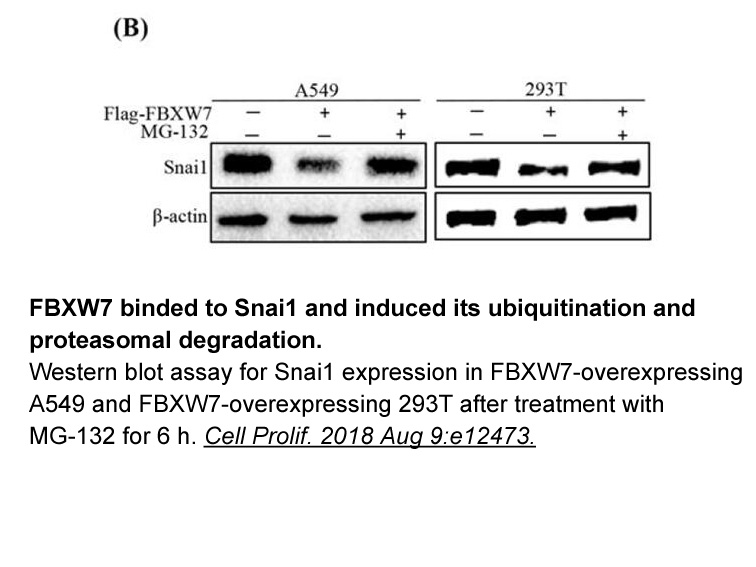
Ligand binding (RTK activation) induces the endocytic internalization of RTKs, and this has been demonstrated for CSF-1R [15], [16], [17]. Endocytosed RTKs are targeted to the lysosome, which we and others have established to be dependent on ubiquitination via CBL-family and recognition by ESCRT co
-
In BBR was reported to increase LDL receptor
2020-04-16
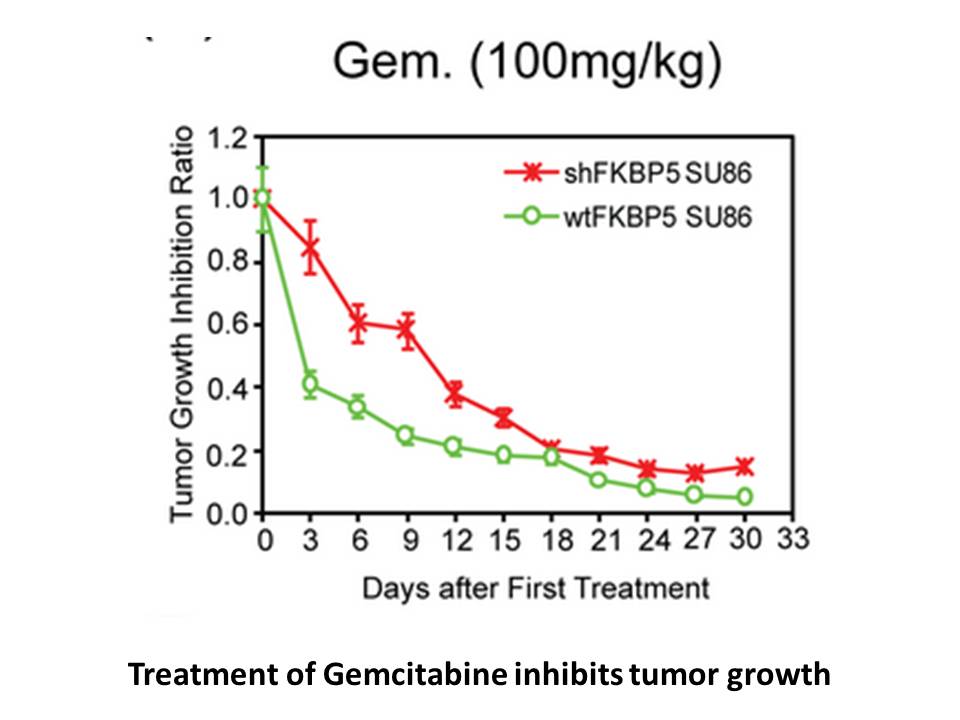
In 2004, BBR was reported to increase LDL receptor (LDLR) gene expression by stabilizing LDLR mRNA [4]. Following this report, the same groups conducted additional studies predominantly in HepG2 cells, with similar effects being observed [8], [11], [12], [4]. In addition to LDLR-mediated LDL cholest
-
Introduction Collagen deposition is a common feature
2020-04-16
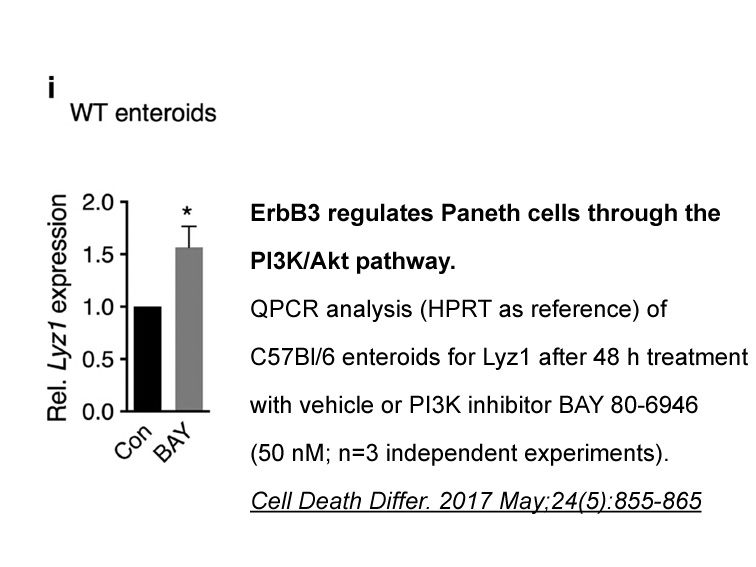
Introduction Collagen deposition is a common feature found in cancerous tissues and fibrotic organs/lesions. It is now well accepted that collagen deposition is not just a consequence of disease, but that it can also trigger a vicious cycle. Both chemical and physical signals elicited from collagen
-
Due to cell cell interactions high concentrations
2020-04-16
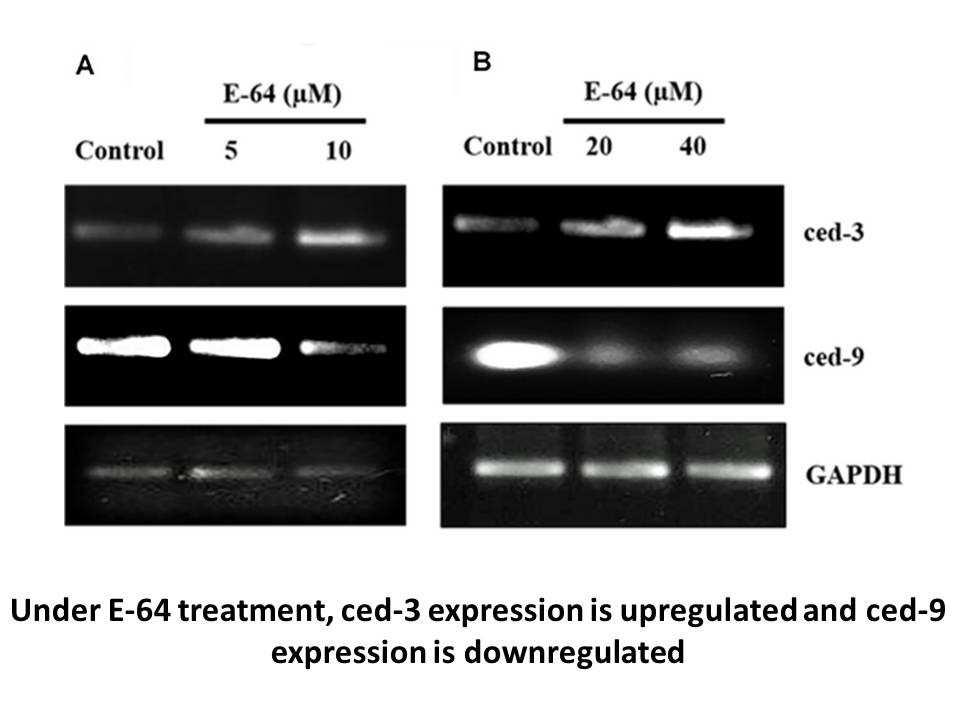
Due to cell-cell interactions, high concentrations of LTs can be locally generated in a short period of time during an inflammatory response, thus potentiating LT function. The cellular communication can be mediated between immune cells as well as between immune cells other cell types. Several studi
-
This structure guided the variation
2020-04-16
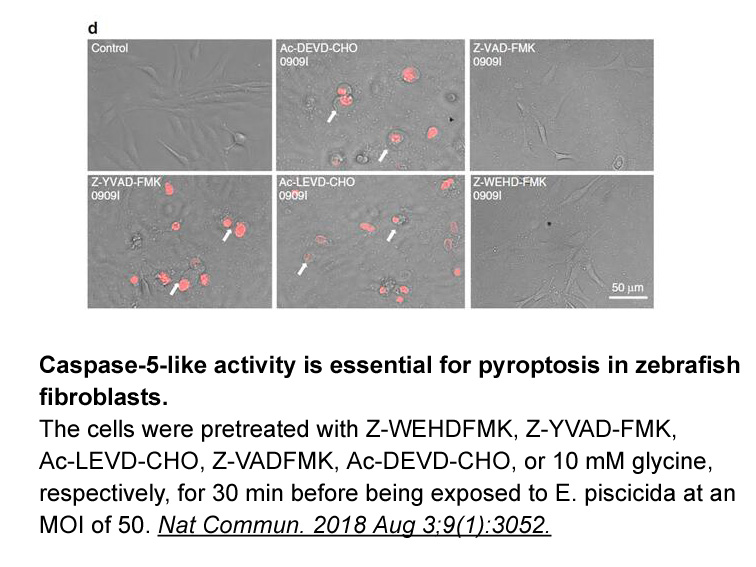
This structure guided the variation of the compounds aiming either at enhanced interaction with CK1 or to exclude interaction with CK1 (R=Me, 15). We chose the 5-cloro substituted oxoindole as backbone as it is supposed to show enhanced metabolic stability, which is commonly used in medicinal chemis
-
The pharmacokinetics properties of compound were
2020-04-15
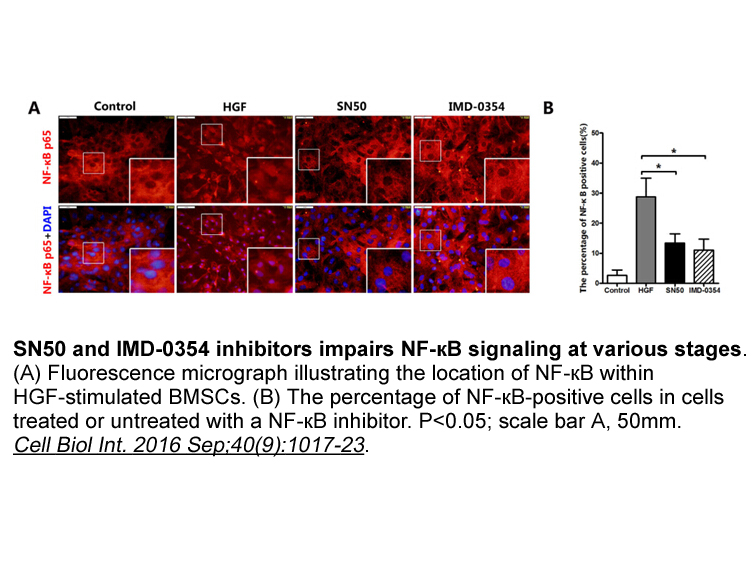
The pharmacokinetics properties of compound were evaluated in male Sprague Dawley rats following IV (0.7mg/kg) and oral (2.0mg/kg) dosing. The total body clearance and the terminal half-life were 0.73 L/h/kg and 5.1h, respectively. After oral administration the compound showed good bioavailability
-
In the phase I AURA trial patients with EGFR
2020-04-15
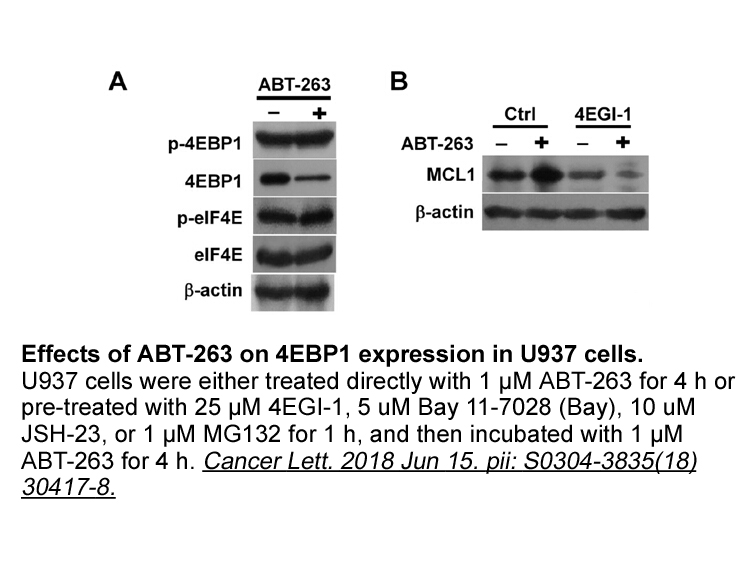
In the phase I AURA trial, patients with EGFR activating mutations and centrally confirmed tumor and/or plasma genotyping (BEAMing) T790M result were enrolled. Among 216 patients with both plasma and tissue genotyping results, the concordance rate was 82% for sevelamer hcl 19 deletions, 86% for L858
-
Multivariate models take interactions between cytokines into
2020-04-15

Multivariate models take interactions between cytokines into account and were used to accurately distinguish samples from different time points in pregnancy. The distinction accuracy did not increase with increasing time between the gestational time points, indicating that the cytokine development d
-
In untreated rodent or human hepatocytes PXR
2020-04-15
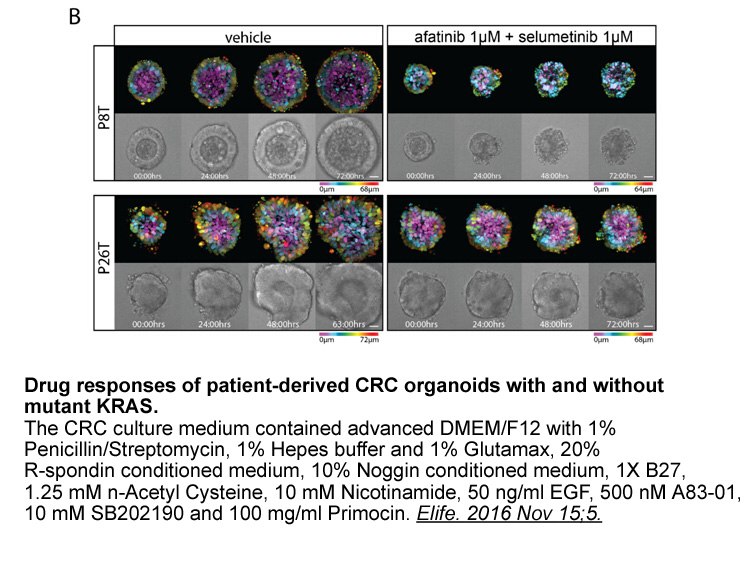
In untreated rodent or human hepatocytes, PXR or CAR is stabilized by cytoplasmic co-chaperone partners like heat shock protein 90 (HSP90, Fig. 1). Upon ligand binding, the nuclear receptors are freed and translocated into the nucleus, identified as a pivotal step in PXR- or CAR-mediated transactiva
-
While SCF E ligase activity was reconstituted with
2020-04-15
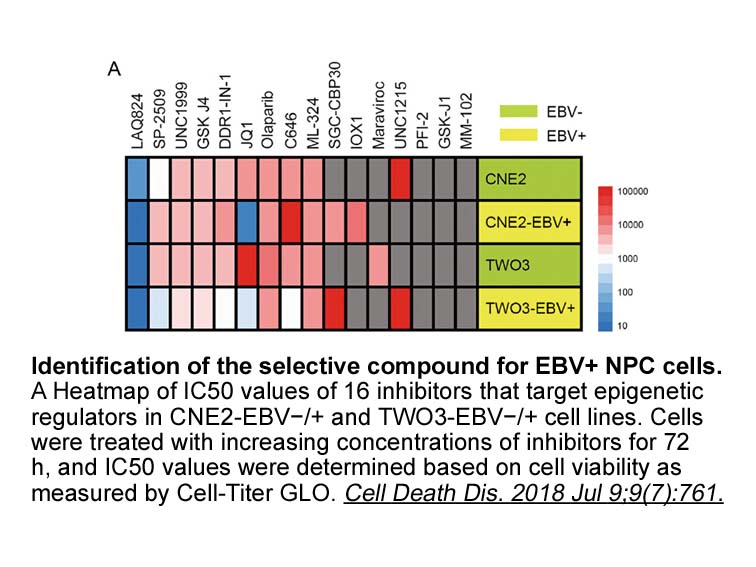
While SCF E3 ligase activity was reconstituted with recombinant proteins two decades ago, the ability to probe APC/C was limited until recently because of its behemoth size. Human APC/C is a 1.2-MDa assembly comprised of 19 core subunits (one each of nine different APC subunits, and two each of five
-
br Conclusions br ISG is an ubiquitin like protein that
2020-04-15
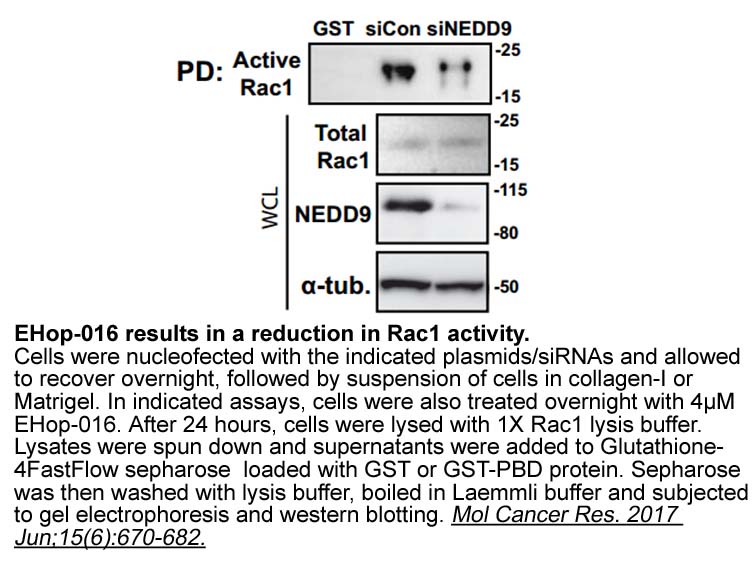
Conclusions ISG15 is an ubiquitin‐like protein that is induced by treating mammalian Zanamivir with interferon‐α/β. UbE1L was identified as the E1‐activating enzyme for ISG15 in the course of experiments that demonstrated that the nonstructural or NS1 protein of influenza B virus inhibits ISG1
-
In general the DNMT encompass three
2020-04-15
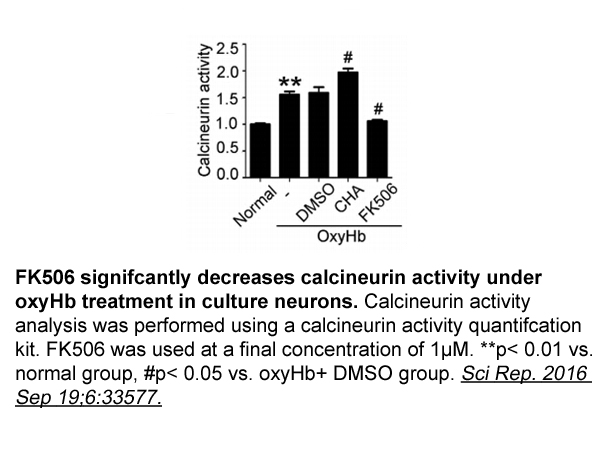
In general, the DNMT encompass three different structural regions: N-terminal regulatory domain, C-terminal catalytic domain and a central linker region (). The N-terminal regulatory domain is particularly implicated in determining subcellular localization of the DNMT and in allocating unmethylated
15946 records 843/1064 page Previous Next First page 上5页 841842843844845 下5页 Last page